Books I actually recommend

The bookshelf that took me from tier-3 college to Amazon

Three shelves of books I’ve read — crack the interview, grow on the job, and keep your head in the game — plus six more I haven’t, recommended by engineers I trust and labelled as such. Real covers, honest takes.

The links below are Amazon affiliate links — if you buy through one, AlgoEngineer may earn a small commission at no additional cost to you. Every book here is one I genuinely recommend — the first three shelves because I’ve read them, the last six because engineers I trust have.

01

Crack the interview

Algorithms, system design, and the data systems underneath — the books that get you the offer.

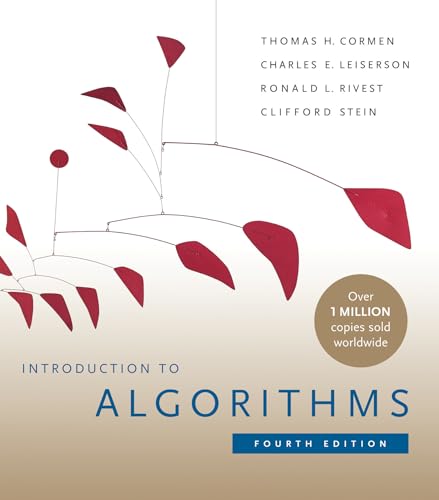
Introduction to Algorithms (CLRS) — book cover
Deep / reference

Introduction to Algorithms (CLRS)

Cormen, Leiserson, Rivest, Stein

The algorithms reference — not a beach read, and not a grind tool. You won’t read it cover to cover; you’ll reach for it when you want to truly understand why an algorithm works instead of memorizing it. Skim the pattern-relevant chapters; do your reps on real problems.

Get it on Amazonaffiliate link
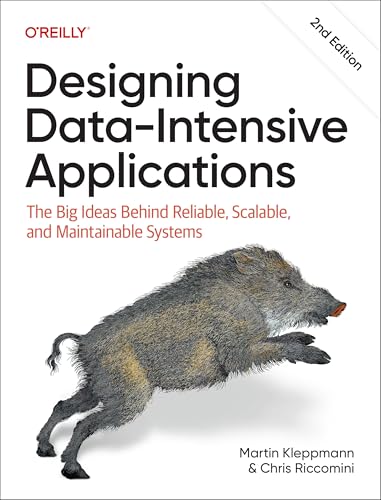
Designing Data-Intensive Applications — book cover
Deep / reference

Designing Data-Intensive Applications

Martin Kleppmann & Chris Riccomini

The modern systems bible — now in its 2nd edition (2026), rewritten for the cloud and object-storage era. If you read one book here, read this: it ties replication, partitioning, consistency, and stream processing into one coherent picture, and it doubles as the best system-design-interview prep there is. A slow read, not a cram.

Get it on Amazonaffiliate link
Database Internals — book cover
Advanced

Database Internals

Alex Petrov

The depth layer beneath DDIA: how storage engines (B-trees vs LSM-trees) and distributed databases really work under the hood. More than most interviews need — but when a senior system-design round asks “and how does the database actually do that?”, this is where a confident answer comes from. Read Part One first.

Get it on Amazonaffiliate link
System Design Interview – An Insider’s Guide (Vol. 1) — book cover
Approachable

System Design Interview – An Insider’s Guide (Vol. 1)

Alex Xu

The most approachable on-ramp to the system-design round: a repeatable framework — clarify, estimate, sketch the high-level design, then go deep — plus clean walkthroughs of the classic designs. Start here if system design intimidates you.

Get it on Amazonaffiliate link
System Design Interview – Vol. 2 — book cover
AdvancedRead after Vol. 1

System Design Interview – Vol. 2

Alex Xu & Sahn Lam

The sequel, with harder, more realistic case studies — payment systems, notification systems, ad-click aggregation, and more. You don’t need it to pass, but it’s the natural next step once Vol. 1’s framework feels comfortable.

Get it on Amazonaffiliate link
02

Grow on the job

Craft and career — the books that make you better once you’re in, and move you up.

The Pragmatic Programmer — book cover
Approachable

The Pragmatic Programmer

David Thomas & Andrew Hunt

The classic on the craft of programming itself — now in its 20th-anniversary edition. Short, practical chapters on the habits that separate durable engineers from the rest: DRY, orthogonality, taking responsibility for your work, and how to keep learning. The book to read early and re-read as you grow.

Get it on Amazonaffiliate link
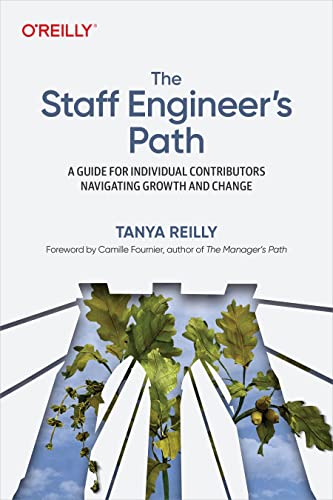
The Staff Engineer’s Path — book cover
Approachable

The Staff Engineer’s Path

Tanya Reilly

What the job becomes past senior: technical direction, scope, and influence without authority. Read it before you think you need it — it quietly changes what you believe “impact” even means, and that shift starts paying off years before the title does.

Get it on Amazonaffiliate link

03

Mindset & discipline

Focus, resilience, and the long game — the non-technical books that keep you showing up.

Can’t Hurt Me — book cover
Approachable

Can’t Hurt Me

David Goggins

Not a tech book — a mindset one. Seven years and five attempts to one offer takes resilience as much as skill; by the end the bottleneck was showing up again after the fourth rejection. It’s the honest note the whole shelf rests on: no book gets you the job on its own — the reps do.

Get it on Amazonaffiliate link
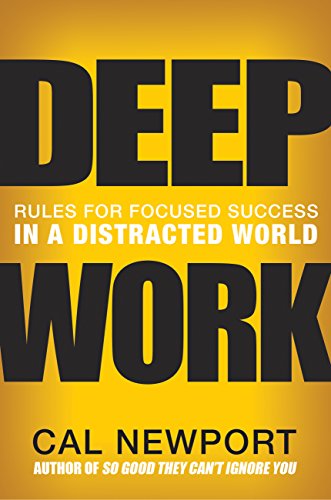
Deep Work — book cover
Approachable

Deep Work

Cal Newport

The case for the rarest skill of the era: focusing without distraction on something hard. For interview prep and for the job, this is the multiplier — two focused hours beat a distracted eight. It’s the discipline behind every rep that actually counts.

Get it on Amazonaffiliate link
04

Six I haven’t read

Recommended by engineers I trust — peers and friends further along than me in the parts of this job I’m still learning.

I haven’t read these six, and I’m not going to pretend I have. Each one closes a gap the three shelves above genuinely have, and each came from an engineer I trust. Take them as that kind of recommendation — not as a personal endorsement like the shelves above.

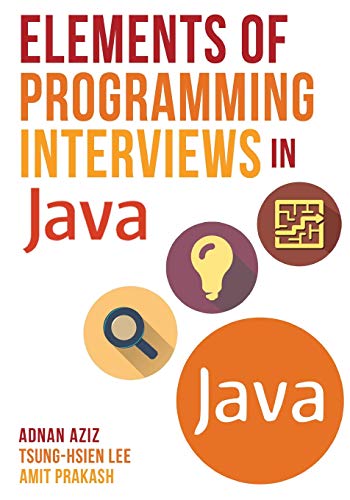
Elements of Programming Interviews in Java — book cover
AdvancedJava edition — Python & C++ exist too

Elements of Programming Interviews in Java

Adnan Aziz, Tsung-Hsien Lee & Amit Prakash

The gap this shelf had: four of the five books above are system design, and the fifth is CLRS — a reference you consult, not a problem set you work through. So nothing here was built for the coding round. This is: 250+ problems with worked solutions, opening with what nobody teaches — what the interview looks like from the other side of the table. I did my own reps on LeetCode rather than out of a book; if you’d rather work from one, this is the book engineers point at.

Get it on Amazonaffiliate link
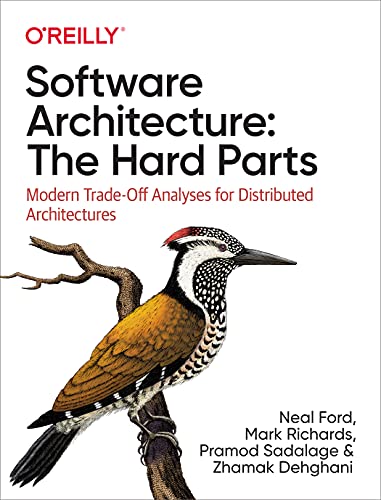
Software Architecture: The Hard Parts — book cover
AdvancedRead after The Pragmatic Programmer

Software Architecture: The Hard Parts

Neal Ford, Mark Richards, Pramod Sadalage & Zhamak Dehghani

The rung this shelf was missing between “write clean code” and “be a staff engineer.” The whole book is trade-offs — service boundaries, data ownership, what actually breaks when you split something in two — which is the same word every good system-design answer is built on.

Get it on Amazonaffiliate link
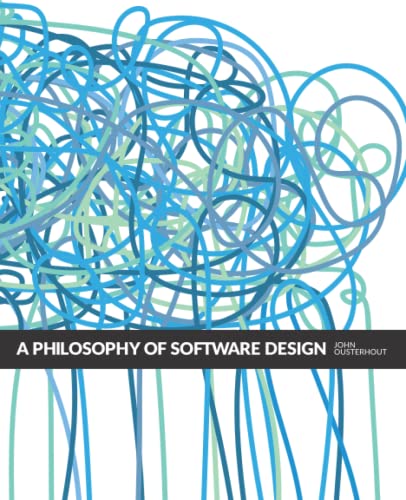
A Philosophy of Software Design — book cover
Approachable2nd edition

A Philosophy of Software Design

John Ousterhout

Design judgement — nothing else here teaches you how to tell a good design from a bad one. It disagrees with Clean Code openly and brings evidence rather than opinion: Ousterhout ran the same design problem past team after team for years and watched what happened. It matters more now, not less — when a model can write the code, judging the design becomes the job.

Get it on Amazonaffiliate link
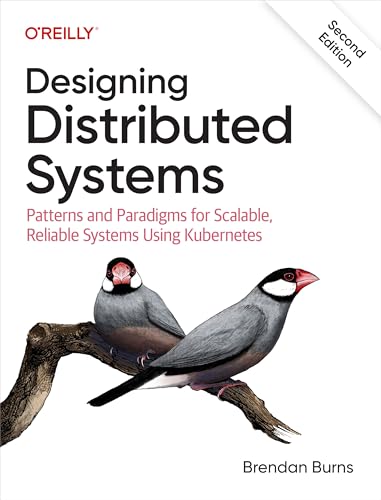
Designing Distributed Systems — book cover
Approachable2nd edition · read after DDIA

Designing Distributed Systems

Brendan Burns

DDIA and Database Internals are both really about data; this one is about the distributed part itself. Patterns you can use rather than theory for its own sake — and it’s written by a co-creator of Kubernetes, so the authority isn’t in question.

Get it on Amazonaffiliate link
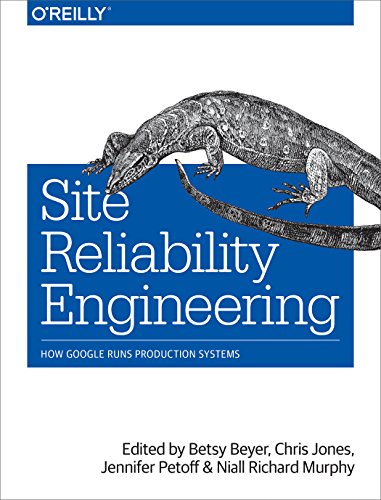
Site Reliability Engineering — book cover
Deep / reference

Site Reliability Engineering

Betsy Beyer, Chris Jones, Jennifer Petoff & Niall Richard Murphy (Google)

Every technical book on this page teaches you to build a system. Not one of them teaches you to run it. Error budgets, toil, and what you do at two in the morning when the thing you built is on fire — that’s the gap between an engineer who ships and one who gets trusted with production.

Google publishes this one free — read it there, you don’t need to buy it. Read it free

Get it on Amazonaffiliate link
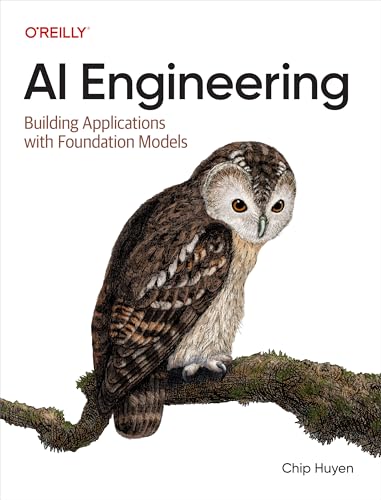
AI Engineering — book cover
Approachable

AI Engineering

Chip Huyen

Nothing else on this shelf touches AI at all. Not a book about training models — about shipping them: evaluating output that differs every run, choosing between prompting, fine-tuning and calling an API, and getting from a demo to something that survives production. Everyone can get a demo working; almost nobody gets it to production.

Get it on Amazonaffiliate link

Affiliate disclosure: As an Amazon Associate, AlgoEngineer earns from qualifying purchases. The affiliate links on this page cost you nothing extra and help keep the free content coming — but they never change which books make the shelf. The first three shelves are books I’ve read and stand behind personally; the fourth is six I haven’t, recommended by engineers I trust and labelled that way on purpose.